What is it?
Human oversight means people remain involved where AI output can affect important work. It does not mean a person must approve every AI sentence. It means the right human checks the right output at the right moment.
 AI Fluencyfor Work
Where people must stay involved.
Human oversight means people remain involved where AI output can affect important work. It does not mean a person must approve every AI sentence. It means the right human checks the right output at the right moment.
AI can move quickly from suggestion to decision. If nobody checks the output, mistakes can become customer messages, reports, recommendations, or decisions. Human oversight keeps judgment in the process.
Decide where oversight is needed based on risk. Low risk drafting may need light review. Customer facing advice may need stronger review. Decisions affecting people, rights, money, safety, security, or legal exposure need careful human involvement.
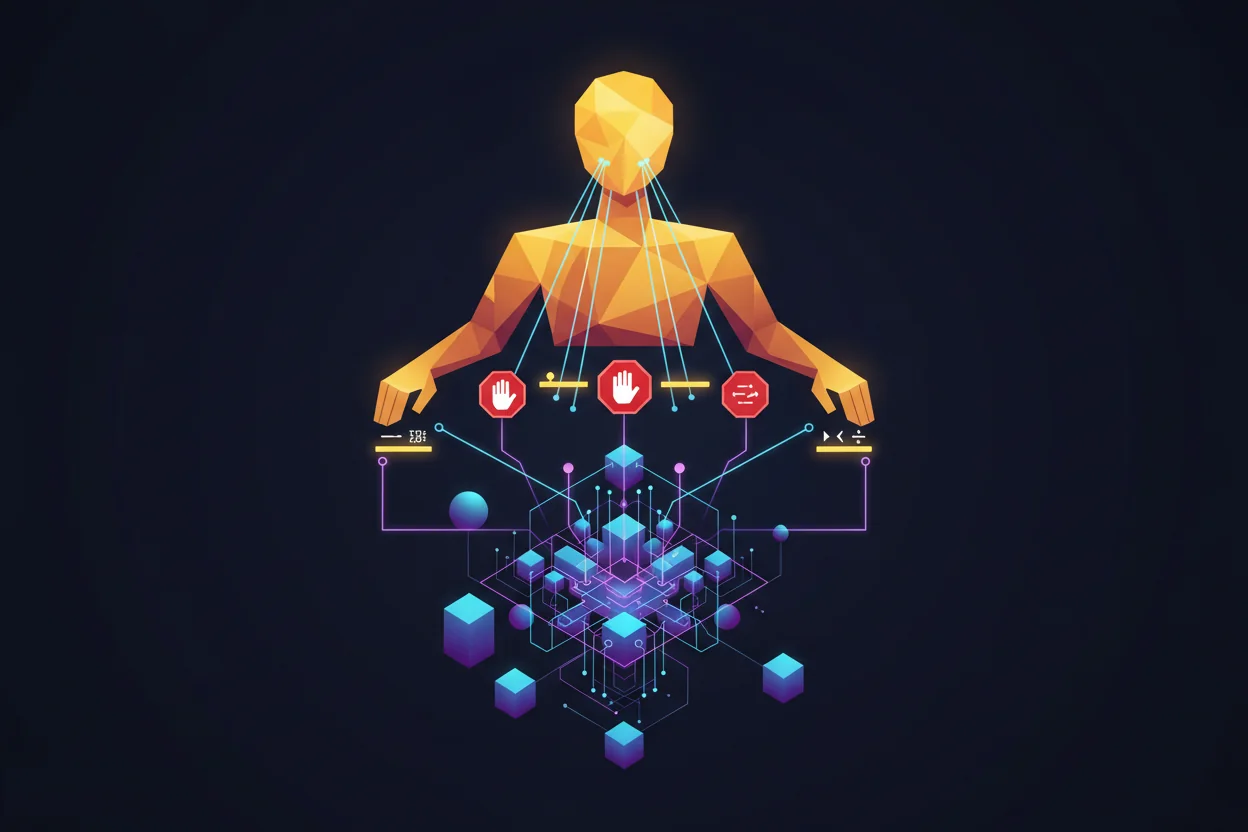
Autopilot helps a pilot, but it does not remove the pilot from the cockpit. The human is still responsible for watching conditions and taking control when needed. AI oversight works the same way.
A manager may review an AI generated performance summary before using it. A lawyer may check sources before relying on AI research. A support lead may review chatbot answers for policy accuracy.
For each AI use case, write one sentence: a human must review this output before it is used for X. If you cannot define the review point, the use case may be too loose.
The common mistake is saying human in the loop without defining what the human actually does. A vague review step is not oversight.
When must a person review the AI output?
Who is qualified to review this output?
What does the reviewer check?
Do we need evidence that review happened?
What makes human oversight useful?
Audio brief, podcast version, mind map, and visual summary.
Your feedback helps improve future concepts.